Sold out
BUTLERS Single Bowl Ceramic Kitchen/Laundry Sink 610x457mm / 762x457mm / 838x457mm
SKU: 694119683
3 sizes available$899
$0 (-0%) OFF
RRP of $899
Butler Sinks
Butler sinks are a timeless and practical choice for classic kitchens, laundries, farmhouse-style spaces and Hampton-inspired renovations. With a deep ceramic bowl and exposed apron-front look, they create a strong design feature while offering generous space for washing dishes, soaking items, food preparation and everyday cleaning. Our range includes selected fireclay ceramic butler sinks in single and double bowl options, with sizes to suit kitchens, butler’s pantries and laundry areas. Pair with a sink mixer, pullout mixer or 3 piece sink tap set for a complete traditional or modern classic finish. Explore butler sinks at Melbourne Bathroom Shop.
SKU: 694119683
3 sizes available$899
$0 (-0%) OFF
RRP of $899

SKU: 045448571
2 sizes available$720
$80 (-10%) OFF
RRP of $800

SKU: 344014107
$419
$60 (-13%) OFF
RRP of $479

SKU: 851500675
2 sizes available$1,226
$216 (-15%) OFF
RRP of $1,442
A butler sink, often recognised by its deep ceramic bowl and exposed apron front, can provide generous washing space while creating a strong feature in kitchens, laundries and butler's pantries. It works particularly well with farmhouse, Hampton and traditional interiors, but can also suit contemporary cabinetry when paired with simpler finishes.
Before choosing, consider the cabinet size, bowl configuration, benchtop design, tapware position and installation requirements. You can also compare other options in our Sink collection.
Butler sinks are installed differently from many conventional top mount or undermount sinks. The apron front remains visible, so the cabinet usually needs to be designed or modified around the exact sink dimensions.
Fireclay sinks can also be substantial in weight. Suitable cabinet support should be planned before installation, particularly once the sink is filled with water. Give the exact product specifications to your cabinetmaker or installer before cabinetry is manufactured.
A Single Bowl Sink provides one large uninterrupted washing area and can be practical for pots, baking trays and laundry items. It can also require less cabinet width than many double-bowl designs.
A Double Bowl Sink provides separate areas for washing, rinsing or soaking, making it useful where the sink handles several tasks throughout the day.
Fireclay is manufactured at high temperatures, and small dimensional variations can occur between individual sinks. For this reason, cabinetry and benchtop preparation should be based on the actual sink and its installation requirements rather than relying only on nominal dimensions.
This is particularly important around the visible apron front and benchtop edges where the finished alignment will be noticeable.
Many butler sinks do not have a tap landing or tap hole, so the mixer is commonly mounted through the benchtop or positioned separately according to the kitchen design. Check the sink dimensions, mixer base and spout reach before the benchtop is fabricated.
A pull-out or swivel sink mixer can also make a large, deep bowl easier to rinse and clean.
Melbourne Bathroom Shop can help you compare butler sink sizes, single and double bowl configurations and suitable tapware options before ordering. Visit our Blackburn showroom at Shop 1A, 214-218 Whitehorse Road, Blackburn VIC 3130 with your cabinet measurements, kitchen plans or benchtop details to discuss suitable options.
Our team can also assist with product information, availability and eligible pickup or delivery options. Final cabinet support, benchtop preparation, plumbing and installation requirements should be confirmed with the relevant trades before installation.
Find more answers at support.melbournebathroom.com.au
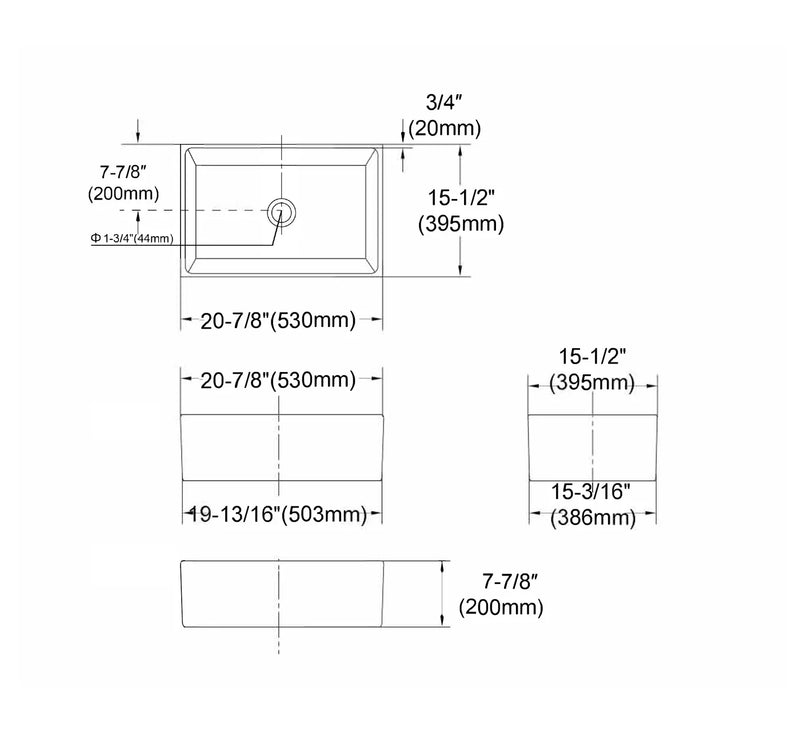
Start with the available cabinet width and the amount of bench space around the sink. Butler sinks are typically deeper and more substantial than many standard stainless steel sinks, so check the overall width, front-to-back depth and bowl depth carefully. Also allow enough space for cabinet support, waste fittings and plumbing underneath. Because the apron front remains visible, the sink dimensions will directly affect the cabinetry design. Browse our Butler Sinks or wider Sink collection before finalising the cabinet layout.
Yes. Butler sinks, particularly fireclay models, are relatively heavy and become heavier again once filled with water. The cabinet should be designed or reinforced to support the sink properly rather than relying only on the benchtop. The visible apron front also means the cabinet opening needs to suit the actual sink dimensions. Give the product specifications to your cabinetmaker or installer before cabinetry is manufactured. Final structural support and installation details should be confirmed with the relevant trade.
Choose a single bowl if you want one large uninterrupted washing area for pots, trays and larger cookware. A double bowl gives you two separate working areas for washing, rinsing or soaking, but it generally requires more cabinet width. The right choice depends on your daily routine and available space. Compare our Single Bowl Sinks and Double Bowl Sinks when deciding which configuration suits your kitchen or laundry.
Fireclay is fired at high temperatures, and small dimensional variations can occur between individual sinks. For this reason, cabinetry and benchtop preparation should ideally be based on the actual sink rather than nominal catalogue dimensions alone. This is especially important around the apron front, where gaps or alignment differences will be visible. Do not finalise cabinet cut-outs or benchtop fabrication too early. Ask your cabinetmaker and benchtop fabricator to work from the actual product and manufacturer installation requirements.
Many butler sinks do not include a tap landing, so the mixer is commonly mounted through the benchtop behind the sink. Check the available bench space, mixer base size and spout reach before drilling the benchtop. A swivel or pull-out mixer can be useful because it makes it easier to rinse a large, deep bowl and reach different areas of the sink. The mixer should direct water comfortably into the bowl without excessive splash. Plan the sink and tapware together before cabinetry and benchtop work are finalised.
No. Butler sinks are strongly associated with farmhouse, Hampton and traditional kitchens because of their exposed apron front and ceramic appearance, but they can also work in contemporary interiors. Pairing a simple white fireclay sink with flat cabinetry, stone benchtops and modern tapware can create a cleaner, more minimal look. The important consideration is how the sink coordinates with the cabinetry, benchtop and tapware rather than following one particular style. Browse the wider Sink collection if you want to compare different materials and designs.
Before ordering, confirm the overall dimensions, bowl configuration, cabinet width, required support, apron-front opening, waste position, benchtop design and mixer location. Because fireclay sinks can have small dimensional variations, avoid finalising precise cabinetry or benchtop cut-outs from nominal measurements alone. Also check whether the model is single or double bowl and whether it has a tap hole or requires benchtop-mounted tapware. Browse the Butler Sinks and wider Sink range before finalising your order.
Sign up & get $20 off your first order
Thanks for subscribing!
This email has been registered!