Sold out
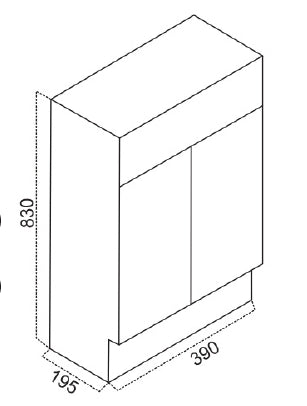
BV65 Compact Freestanding / Wall Hung Vanity 400x205mm - Gloss White
SKU: 328007681
$274
$30 (-10%) OFF
RRP of $304
Explore freestanding bathroom vanities at Melbourne Bathroom Shop, from compact powder-room cabinets and slimline designs to wider single and double-basin options. Also known as floor-standing vanities, these cabinets are supported at floor level, with base or leg designs varying by model.
Compare gloss white, matt white and woodgrain finishes, with shaker, fluted, curved and corner designs available on selected models. Browse our Matt White Vanities, Woodgrain Vanities, Fluted Vanities and Curved Vanities, then check the mounting type and selected product option.
Before ordering, confirm the overall dimensions, finished basin height, plumbing clearance, fixing requirements and whether your option includes a vanity top or basin. Compare our Wall Hung Vanities for a floating cabinet layout, or browse the complete Bathroom Vanities collection.
SKU: 328007681
$274
$30 (-10%) OFF
RRP of $304

SKU: 1782041547
$301
$33 (-10%) OFF
RRP of $334

SKU: 078811595
$319
$60 (-16%) OFF
RRP of $379

SKU: 191245347
$339
$160 (-32%) OFF
RRP of $499

SKU: 845159296
5 sizes available$465
$52 (-10%) OFF
RRP of $517

SKU: 879377043
4 sizes available$520
$0 (-0%) OFF
RRP of $520

SKU: 184536806
9 sizes available$474
$32 (-6%) OFF
RRP of $506


SKU: 812966511
$3,470
$635 (-15%) OFF
RRP of $4,105
A freestanding vanity is supported at floor level and can provide storage beneath the basin in a compact ensuite, powder room or family bathroom. The range includes slimline, corner and wider cabinets, with bases or legs depending on the model. Start with the room layout, plumbing and the exact cabinet configuration.
Measure from finished wall and floor surfaces, allowing clearance for doors, drawers, the toilet and shower screen. Selected ranges offer nominal widths such as 600, 750, 900, 1200, 1500 and 1800mm, while compact and corner models have different dimensions. Check the overall top dimensions as well as the cabinet size.
Slimline models, including selected 360mm-deep cabinets, can preserve walkway space. A semi-recessed basin may project beyond the cabinet, so check the full assembly rather than cabinet depth alone. Allow for the top and basin when checking the finished basin height; an above-counter basin adds height above the benchtop.
Floor support does not mean a cabinet can simply be left unsecured. Confirm the manufacturer's fixing and installation requirements with your installer, including the condition and level of the floor. Check how the base or legs meet the floor and whether skirting boards prevent the cabinet sitting correctly against the wall.
Existing waste and water connections may still conflict with drawers, shelves or structural panels. Compare the pipe positions with the cabinet layout, including any left- or right-hand drawer option. Ask your plumber to confirm compatibility before ordering or making cabinet alterations.
If you prefer open floor space beneath the cabinet, compare Wall Hung Vanities. Models offering both mounting profiles require the correct product option; choosing the collection alone does not select the installation type.
Drawers can make smaller toiletries easier to organise, while cupboards offer space for taller items. Check usable storage around the plumbing and make sure doors and drawers can open fully in your bathroom. Hardware and soft-close features vary by model and should be confirmed in its specifications.
Selected larger models offer single- or double-basin configurations. Choose the basin layout together with the top, cabinet and plumbing: a wider cabinet does not automatically include two basins. Browse the wider Bathroom Vanities collection to compare layouts.
Some products are Cabinet Only, while others offer cabinet-and-top combinations or a specified top and basin. Selected ranges include ceramic tops, flat stone tops or stone tops with undermount basins. Read the exact selected option, since a flat top may require a separate basin and products without a top selector can still be cabinet-only.
Check top dimensions, basin cut-outs, tap holes, tap reach and waste or overflow compatibility. Compare Bathroom Basins where a separate basin is needed. Taps, wastes and accessories in photographs are not automatically included.
Explore Matt White Vanities and Woodgrain Vanities, or browse Fluted Vanities and Curved Vanities for different fronts and profiles. These style collections can include wall-hung models, so confirm the mounting type before selecting.
An oak-look or woodgrain finish describes appearance and does not by itself mean solid timber. Refer to the listed cabinet material and follow the manufacturer's cleaning instructions. Wipe away standing water and avoid assuming every finish is waterproof, scratch-proof or stain-proof.
Confirm the size, finish, mounting profile, storage layout, basin arrangement and complete list of inclusions. Check current availability and delivery or pickup arrangements for the exact product; clearance and display items may have different conditions.
Bring your measurements, plans and plumbing photos to Melbourne Bathroom Shop if you need help comparing options. Final fixing, plumbing and top preparation should be confirmed with your installer and plumber before installation.
Find more answers at support.melbournebathroom.com.au
Start with the available wall width, cabinet depth and clearance around nearby fixtures. Measure from finished surfaces and make sure cabinet doors or drawers will not interfere with the toilet, shower screen or bathroom door. A smaller vanity can work well in an ensuite or powder room, while larger 1200–1800mm configurations provide more storage and benchtop space for family bathrooms. Depth is just as important as width in narrow rooms. Compare the complete Freestanding Vanity collection or browse 600mm Vanities for compact options.
A freestanding vanity sits on the floor and creates a more grounded appearance. It can suit many renovation projects, particularly where you want practical storage without creating a floating cabinet look. A wall-hung vanity keeps the floor visible underneath and can help a smaller bathroom feel more open, but suitable wall fixing and plumbing positions are important. Neither option is automatically better. Consider the wall structure, existing plumbing, cleaning preferences, storage requirements and overall bathroom design. You can compare both styles in the wider Bathroom Vanity collection.
Often, but check the waste position, water connections and internal cabinet layout before ordering. A freestanding cabinet may cover existing plumbing more easily than some wall-hung designs, but drawers, shelves or structural panels can still interfere with the waste pipe. This is particularly important when replacing an older doors-only vanity with a modern drawer configuration. Take photos and measurements of the existing plumbing and compare them with the cabinet specification. If you want different internal layouts, browse the Bathroom Vanity collection. For unusual plumbing positions, ask your plumber to confirm compatibility before purchase.
Choose the storage layout according to what you use every day and where the plumbing needs to run. Drawers make toiletries and smaller items easier to organise and reach, while cupboards provide flexible space for taller bottles, cleaning products and plumbing. A combination of drawers and cupboards can work well in a family bathroom where different types of storage are needed. If easy-access storage is important, compare our Drawers Only Vanities or browse the Freestanding Vanity collection before choosing the cabinet layout.
A slimline vanity can be useful where walkway space is limited, such as a narrow ensuite, powder room or bathroom with a toilet directly opposite the vanity. The current MBS freestanding range includes selected 360mm-deep models alongside more conventional 460mm and deeper cabinets. A standard-depth vanity generally provides more internal storage and greater flexibility for basin and benchtop selection. Measure how far the cabinet will project into the room before ordering. If the room is compact, compare smaller options in the Freestanding Vanity collection and the wider Bathroom Vanity range.
Choose the basin and top according to the cabinet width, available bench space, storage layout and tapware position. An above-counter basin creates a stronger design feature, while an undermount basin keeps the top visually cleaner and leaves more usable surface around the bowl. Integrated ceramic tops can simplify the combination for some vanity ranges. For larger cabinets, consider whether one basin with more bench space or a double-basin layout better suits the household. Browse Bathroom Basins and Vanity Tops before finalising plumbing and benchtop preparation.
Before ordering, confirm the overall width and depth, plumbing position, storage configuration, basin layout, vanity-top requirements and clearance around nearby fixtures. Check that drawers and doors can open fully without hitting the toilet, shower screen or bathroom door. For larger vanities, decide whether you want a single or double basin before the top is prepared. Also confirm whether the cabinet is supplied alone or with a particular top, as inclusions vary between products. Compare the Freestanding Vanity collection, Vanity Tops and wider Bathroom Vanity range before ordering.
Sign up & get $20 off your first order
Thanks for subscribing!
This email has been registered!