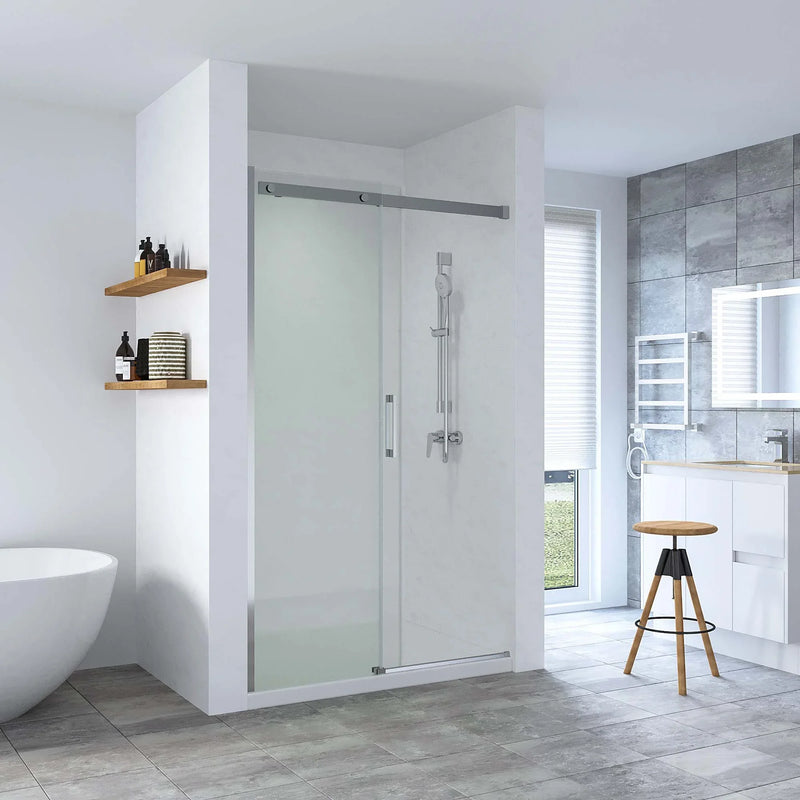
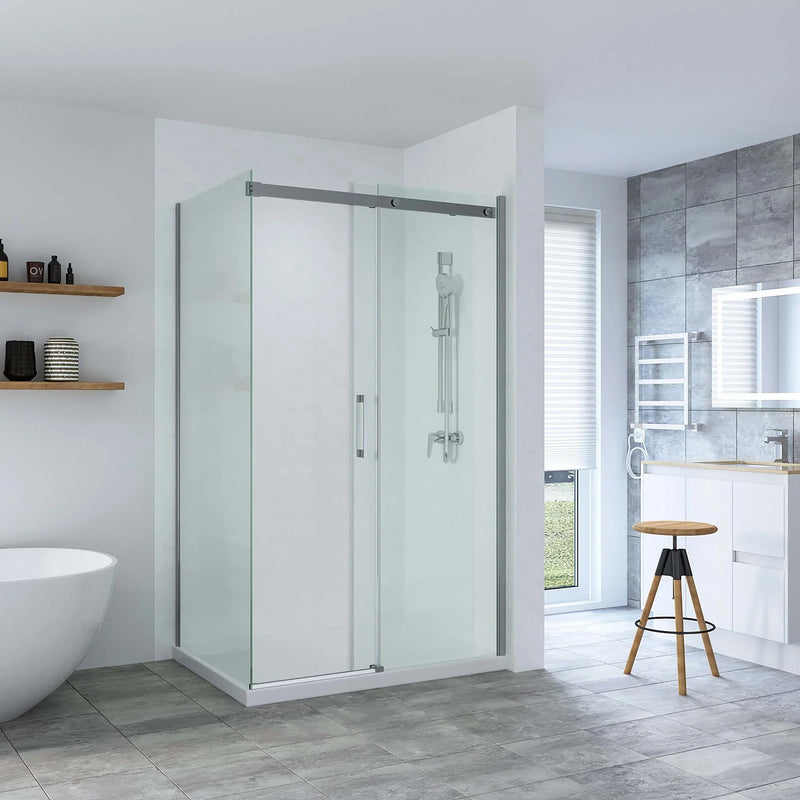
Shower Screens

Shop shower screens in Melbourne, including framed, semi-frameless and frameless designs. At Melbourne Bathroom Shop, compare sliding doors, pivot and hinged doors, and walk-in panels to suit your bathroom layout.

The range includes wall-to-wall, front & return and other configurations, with 6mm, 8mm or 10mm glass depending on the model. Sizes, heights, finishes and adjustment ranges vary by product. Start with your finished opening and available door clearance, then compare suitable options.

Check the exact specifications, installation requirements, availability and lead time before ordering. For a bath-and-shower combination, explore our bath screens. Use the categories and buying guide below to narrow your selection, or contact our team with your measurements. View our pickup and delivery information before purchasing.

Filter & Sort 5 products

How to Choose a Shower Screen

Choose a shower screen around the finished layout, available entry space and installation conditions. Frame style and colour come after confirming the opening, door movement and product dimensions.

Start with the Shower Layout

For a shower between two opposing walls, compare wall-to-wall shower screens. For a corner with an exposed side, compare front & return screens. Measure each required side separately. For shower-over-bath bathrooms, browse bath screens and confirm that the bath rim and wall are suitable for the selected panel.

Choose the Door or Entry Style

Sliding shower screens avoid an outward door swing, but fixed and overlapping panels reduce the usable entry width. Pivot and hinged screens need clearance from nearby vanities, toilets and doors. Walk-in panels have an open entry; check shower depth, spray direction and drainage because they do not fully enclose the shower.

Compare Frame and Glass Options

Full framed screens, semi-frameless screens and frameless screens differ in framing, hardware, appearance and fitting requirements. The current range includes 6mm, 8mm and 10mm glass on different models. Compare the complete screen system and stated adjustment range rather than assuming thicker glass is automatically better.

Measure the Finished Opening

Measure after tiling wherever possible. Check wall-to-wall width near the bottom, middle and top; for corner screens, measure the front and return separately. Confirm height, wall alignment, installation surface and actual door opening. Do not assume a nominal 900mm or 1200mm screen will fit every opening.

If no listed size or adjustment range suits the opening, discuss custom-size shower screens with our team. Custom dimensions and door positions should be final before ordering.

Check Availability, Care and Ordering Details

Sizes, colours, hardware and stock availability vary by model and variant. Confirm special-order or custom lead times before scheduling installation. Check the individual product information for inclusions, fitting requirements and warranty terms. Follow the product’s care instructions; do not assume every glass finish or metal coating suits the same cleaning products.

Showroom, Pickup and Delivery in Melbourne

Visit our Blackburn showroom at Shop 1A, 214–218 Whitehorse Road, Blackburn VIC 3130 with measurements, plans or photos for help comparing options. Contact our team to confirm product details before purchase. Check pickup and delivery information; collect eligible orders from our Nunawading warehouse once confirmed as ready. Confirm final fixing, waterproofing and installation conditions with the relevant trades.

Frequently Asked Questions

1. What should I measure before ordering a shower screen?

Measure the finished tiled opening, not the unfinished wall or frame. For a wall-to-wall screen, measure the width near the bottom, middle and top because walls are not always perfectly straight. For a corner shower, measure both the front and return sides. Also check the shower height, door-opening space, shower base or hob and nearby fixtures such as the vanity or toilet. Compare your measurements with the product’s stated adjustment range rather than ordering by a nominal size alone.

2. Frameless, semi-frameless or fully framed: which shower screen should I choose?

A frameless shower screen uses minimal hardware for a clean, open appearance and is often made with thicker glass. A semi-frameless screen combines slim framing with exposed glass edges, offering a balance of contemporary styling and adjustability. A fully framed screen has more aluminium support and can be practical where good adjustment and water containment are priorities. The best choice depends on your budget, wall condition, preferred look and bathroom layout — there is no single style that is best for every bathroom.

3. Sliding, hinged or walk-in shower screen: which is best for my bathroom?

A sliding shower screen is often a good choice for compact bathrooms because the door does not swing into the room. Hinged or pivot doors can provide a generous opening but require enough clearance from nearby toilets, vanities and doors. A walk-in shower screen creates a simple, open look without a door, but the shower needs enough depth to control splash. Choose the door style around the space outside the shower as well as the opening itself.

4. Do I need a wall-to-wall or front-and-return shower screen?

A wall-to-wall shower screen is designed for a shower located between two opposing walls, so only the front enclosure is required. A front-and-return screen is normally used when the shower sits in a corner and needs glass across the front and one side. Before ordering, confirm the finished layout and measure each required side separately. For corner installations, also check whether the door position and entry direction work with the vanity, toilet and other bathroom fixtures.

5. What if my shower walls are not perfectly straight or square?

This is common, particularly in older bathrooms. Many framed and semi-frameless screens provide an adjustment range within the wall channels, allowing for a limited amount of variation. Frameless glass generally requires more accurate measurements because there is less framing available to hide an uneven wall. If the opening changes significantly from bottom to top or falls outside a standard screen’s adjustment range, a custom shower screen may be more suitable. Measure the opening at several points before ordering rather than relying on one width measurement.

6. Is 6mm, 8mm or 10mm shower glass better?

Glass thickness should suit the complete shower-screen design, rather than being judged on thickness alone. Framed and some semi-frameless systems can use thinner toughened glass because the frame provides additional support. Frameless screens generally use thicker glass together with suitable brackets, channels and hinges. Melbourne Bathroom Shop’s current frameless range predominantly uses 10mm toughened safety glass, while other screen systems may use 6–10mm depending on the design. Always follow the individual product specification rather than assuming thicker glass automatically means a better screen.

7. Are frameless and walk-in shower screens completely watertight?

Not necessarily. Shower screens are designed to manage normal shower splash, but frameless doors and walk-in screens have functional gaps or open entry areas. Water containment also depends on the shower-head position, spray direction, shower depth, floor fall, drainage and installation. A larger walk-in panel may improve splash protection, while a fully enclosed framed or semi-frameless screen can sometimes provide better containment where keeping water inside the shower is the main priority. Plan the complete shower layout rather than choosing the screen only by appearance.