Sliding Door

Upgrade your bathroom with modern and space-saving Sliding Door Shower Screens from Melbourne Bathroom Shop. Designed for practicality, functionality, and contemporary bathroom living, sliding shower screens are one of the most popular shower enclosure solutions for Australian homes, offering smooth operation, efficient space usage, and a sleek modern appearance.

Sliding door shower screens are ideal for bathrooms where maximising usable space is important. Unlike pivot or hinged shower doors that require outward opening clearance, sliding shower doors glide smoothly along the frame or track system, making them perfect for compact bathrooms, ensuites, apartments, narrow walkways, and family bathrooms where space efficiency and accessibility are essential.

Filter & Sort 17 products

How to Choose a Sliding Shower Screen

A sliding shower screen is a practical choice when you want to maximise usable bathroom space. Because the door moves along a track instead of swinging outward, it can work well beside a vanity, toilet, bath or narrow walkway.

Before ordering, focus on the finished opening, actual entry width, shower layout and adjustment range rather than choosing by overall size or finish alone.

Choose the Right Layout

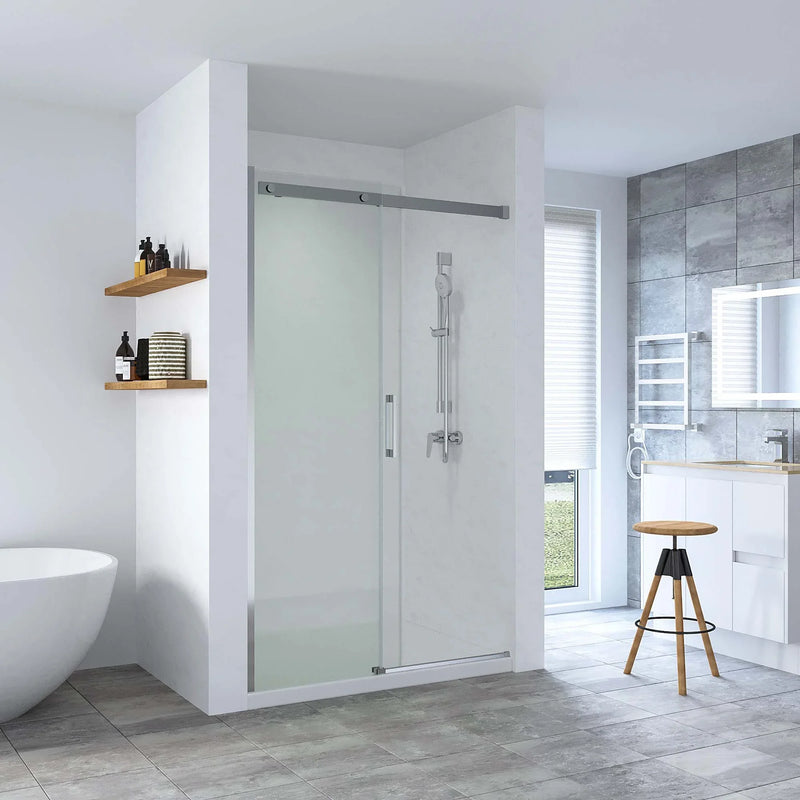
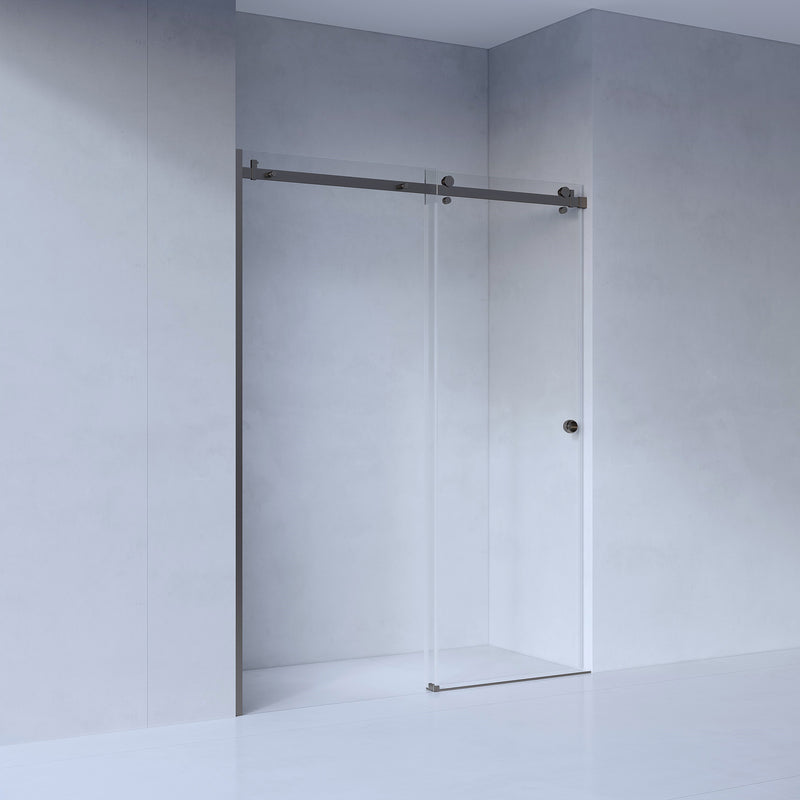
For a shower positioned between two walls, a wall-to-wall shower screen is usually the simplest configuration.

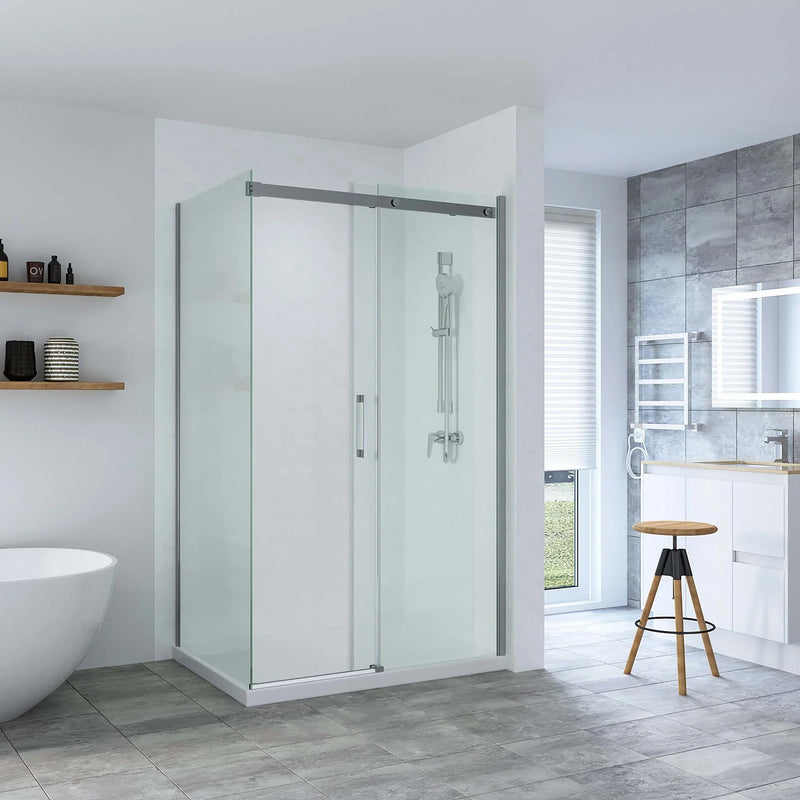
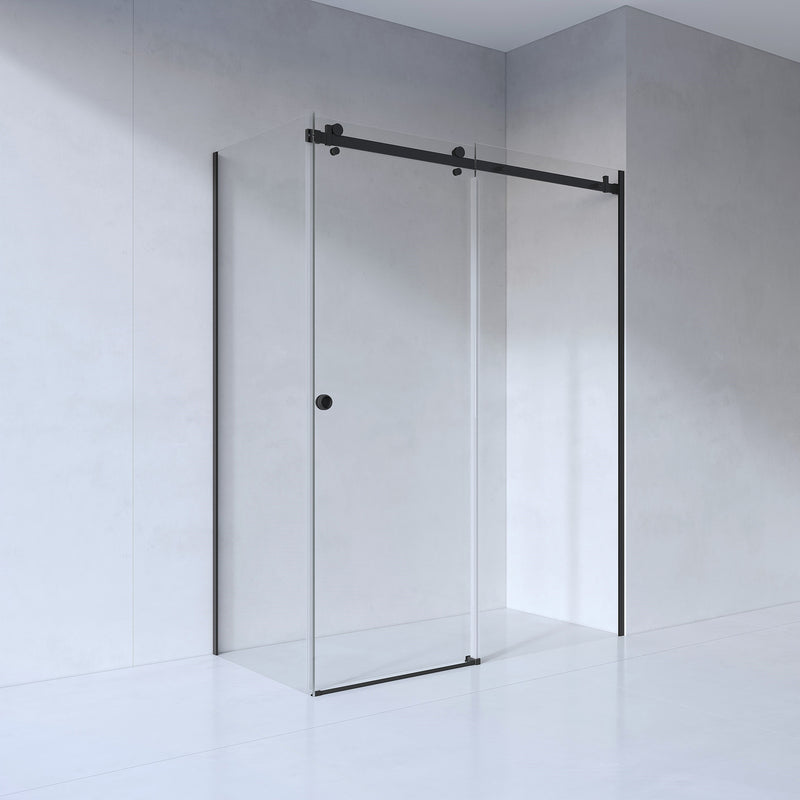
For a corner shower with one exposed side, a front-and-return design encloses both the front and side. If you prefer to enter diagonally through the corner, a corner-entry shower screen can make efficient use of a compact layout.

Choose the enclosure style first, then compare suitable sizes.

Measure the Finished Opening

Measure after tiling wherever possible. For wall-to-wall installations, check the width near the bottom, middle and top. For corner screens, measure the front and return separately.

Always compare your measurements with the product’s adjustment range.

Also check the actual door opening. A 1200mm sliding screen does not provide a 1200mm entry because part of the glass remains fixed or overlaps when the door opens.

Compare Frame and Glass Options

Full framed designs provide more visible structure and can offer useful adjustment. Semi-frameless screens reduce the amount of framing while retaining channels and supports where required.

More minimal designs may use thicker glass and specialised roller hardware. Compare the complete screen construction rather than assuming thicker glass is automatically better.

If you prefer a swinging door and have enough clearance, compare pivot and hinged shower screens.

Think About Cleaning and Installation

Sliding tracks, rollers, seals and overlapping panels benefit from regular cleaning so the door continues to operate smoothly.

Before ordering, also confirm whether the screen suits your tiled floor, shower base or other installation surface. If the opening falls outside standard adjustment ranges, consider a custom-size shower screen.

Shower Screen Delivery and Support in Melbourne

Melbourne Bathroom Shop can help you compare sliding, hinged, corner-entry and other shower-screen layouts before ordering. Visit our Blackburn showroom at Shop 1A, 214–218 Whitehorse Road, Blackburn VIC 3130 with your measurements, plans or photos to discuss suitable sizes, entry openings, finishes and configurations.

Our team can also help you compare product details and local delivery or pickup options before purchase. Final waterproofing and installation conditions should be confirmed with the relevant trades.


Frequently Asked Questions

1. When is a sliding shower screen better than a hinged or pivot door?

A sliding shower screen is particularly useful when there is limited clearance outside the shower. Because the door moves along a track rather than swinging into the bathroom, it can work well beside a vanity, toilet, bath or narrow walkway. It is commonly used in ensuites, apartments and compact family bathrooms. However, the actual entry opening can be narrower than the overall screen width, so check the product specification before ordering. If you have plenty of door clearance and prefer a wider direct entry, compare pivot and hinged shower screens or browse the complete shower screen range.

2. How should I measure for a sliding shower screen?

Measure the finished tiled opening wherever possible. For a wall-to-wall installation, measure near the bottom, middle and top because tiled walls may not be perfectly parallel. For a corner enclosure, measure the front and return sides separately. Compare these measurements with the product's stated adjustment range rather than choosing by nominal width alone. Also check the screen height and usable doorway opening. If your shower sits between two walls, compare wall-to-wall shower screens. If your dimensions fall outside standard ranges, consider custom-size shower screens.

3. How wide will the actual opening be on a sliding shower door?

The usable entry width is smaller than the overall shower-screen width because part of the glass remains fixed or overlaps when the door slides open. Two 1200mm-wide screens can therefore provide different entry openings depending on the number of panels and sliding mechanism. Always check the listed door-opening measurement rather than judging accessibility from the overall screen size. Three-panel sliding designs can also provide different opening proportions from conventional two-panel screens. If a generous entry is particularly important, compare suitable pivot and hinged shower screens as well as other options in the shower screen collection.

4. Wall-to-wall, front and return, or corner-entry sliding screen: which do I need?

Choose according to the number of exposed sides around your shower. A wall-to-wall shower screen suits a shower positioned between two opposing walls, where only the front needs enclosing. A front and full return screen is designed for a corner shower with one exposed side. A corner-entry shower screen allows entry where the front and return doors meet, which can work particularly well in compact layouts. Decide on the room configuration before comparing sizes or finishes.

5. Full framed, semi-frameless or frameless sliding screen: which should I choose?

A full framed shower screen provides more visible structure and can offer useful adjustment for common renovation conditions. A semi-frameless shower screen reduces the amount of framing while retaining channels and structural support where required. Frameless-style sliding designs create a more minimal appearance but may rely more on accurate measurements and specialised roller hardware. Do not choose based on glass thickness alone. Consider the finished wall condition, adjustment range, sliding mechanism, maintenance, preferred appearance and budget as one complete system.

6. Are sliding shower screens difficult to clean or maintain?

Sliding screens require some routine attention around the tracks, rollers, seals and overlapping glass panels, where soap residue and water deposits can collect. Regularly wipe the glass and track area and remove debris that could affect smooth door movement. Avoid using harsh abrasive cleaners on glass, frames or coloured finishes. Roller and track designs vary between models, so follow the individual care instructions supplied with your screen. If having fewer moving components is a priority, you may also compare a walk-in shower screen. For alternative door mechanisms, see pivot and hinged shower screens.

7. What should I confirm before ordering a sliding shower screen?

Before ordering, confirm the finished opening width, screen height, adjustment range, actual entry opening, layout, glass/frame style and hardware finish. For corner installations, check both front and return dimensions and confirm where you want to enter the shower. Also make sure the selected model is suitable for your tiled floor, shower base or other installation surface. If using a preformed base, compare it with the shower base range before ordering. If your measurements are unusual or the walls are significantly out of plumb, review custom-size shower screens before finalising the purchase.